
Details for the pump
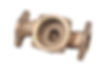
What are Pump Details?
Pump components are the parts that make up a complete pump, ensuring efficient fluid transport. They include many different parts, each performing a specific function. For example, the impeller creates thrust, seals prevent leaks, bearings reduce friction, and the pump shaft drives the pump. The quality of pump components directly affects the performance, durability, and lifespan of the entire system.
Why are pump details important?
Selecting suitable and high-quality pump components is crucial to ensuring stable and efficient pump system operation. Poor-quality pump components can lead to serious problems, including reduced efficiency, increased energy consumption, leaks, equipment damage, and even complete shutdown. This not only results in costly repairs and replacements but also impacts the company's production and business operations. Therefore, investing in high-quality pump components is a wise decision, saving costs and ensuring stable long-term operation.
Common Types of Pump Components
There are many different types of pump parts , depending on the type of pump, application, and manufacturer. Some common pump parts include:
Impeller
Pump casing (Casing)
Pump shaft
Mechanical seal
Bearings
Bushing
Motor
Coupling

Each component for this pump has its own unique characteristics and functions, and must be carefully selected to suit the specific requirements of the system.
Materials for Manufacturing Pump Components
The materials used to manufacture pump components play a crucial role in determining the pump's durability, corrosion resistance, and lifespan. Common materials include:
Cast iron: Commonly used for pump casings and low-pressure components.
Stainless steel: Widely used for parts in contact with corrosive liquids.
Copper: Has good corrosion resistance, often used for pump impellers.
Plastic: Lightweight, good corrosion resistance, suitable for low-pressure applications.
Ceramics: Good wear resistance, often used for sealing gaskets.
The choice of appropriate material depends on the type of fluid being pumped, temperature, pressure, and other environmental factors.
Reputable Pump Brands and Components
The market currently offers many brands that supply pump components with varying quality and prices. Some reputable and trusted brands include:
Grundfos
KSB
Ebara
Wilo
Flowserve
Choosing pump components from reputable brands will help ensure the quality, durability, and stable operation of the system.
Applications of Pump Components in Industrial Sectors
Pump components play a crucial role in many different industries, ensuring the continuous and efficient transport of fluids.
In the Water Industry
In the water industry, pump components are used to pump clean water, wastewater, irrigation water, and fire-fighting water. Commonly used pump types include centrifugal pumps, submersible pumps, and booster pumps.
In the Chemical Industry
In the chemical industry, pump components must have high corrosion resistance to withstand the effects of various chemicals. Commonly used pump types include metering pumps, diaphragm pumps, and magnetic pumps.
In the Oil and Gas Industry
In the oil and gas industry, pump components must meet stringent safety standards and be capable of operating in harsh environments. Commonly used pump types include screw pumps, gear pumps, and multistage centrifugal pumps.
Pump Maintenance and Replacement Parts
Regular maintenance and replacement of pump components are crucial to ensuring the performance and lifespan of the pumping system.
When Should Pump Parts Be Replaced?
Pump parts need to be replaced when they are damaged, worn out, or no longer meet technical requirements. Some signs that indicate pump parts need replacing include:
Reduced pump efficiency
Unusual noise
Liquid leak
Increase the temperature
Shaking
Replacing pump components in a timely manner will help prevent more serious damage and extend the system's lifespan.
Detailed Basic Pump Maintenance Steps
Detailed maintenance steps for basic pumps include:
Regularly inspect the pump components.
Clean the pump and its components.
Lubricate moving parts.
Tighten the connections.
Replace the parts for the damaged pump.
Regular maintenance will help detect potential problems early and extend the lifespan of the pump system. Use genuine pump parts to ensure performance and durability. Investing in high-quality pump parts is a wise decision.
